
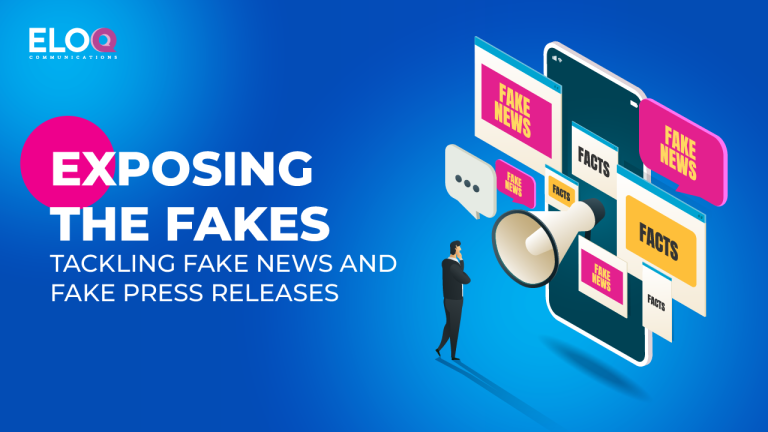
Exposing the Fakes: Tackling fake news and fake press releases
In today’s digital era, misinformation spreads rapidly, eroding public trust and posing significant challenges for organizations. A particularly damaging form of misinformation is the dissemination of fake press releases, which can mislead stakeholders and harm reputations. To effectively combat this issue, it’s essential to analyze real-world incidents and extract practical lessons.
Understanding the Impact of Fake Press Releases
Fake press releases are fabricated announcements designed to deceive the public, investors, or other stakeholders. They can lead to financial losses, reputational damage, and a decline in stakeholder confidence.
Case Studies Highlighting the Dangers
Several notable incidents underscore the risks associated with fake press releases:
Apex Capital Financial Hoax: A fabricated press release falsely announced that Apex Capital had secured a significant investment, leading to a temporary surge in their stock price. Once the truth emerged, the stock plummeted, resulting in financial losses for investors and damaging the company’s credibility.
Adidas Fashion Week Incident: A counterfeit press release claimed that Adidas was launching a controversial product line during Fashion Week. The false information spread quickly, causing public outcry and forcing the company to issue clarifications to mitigate reputational harm.
Practical Lessons for Communicators
To safeguard against the threats posed by fake press releases, communicators should consider the following strategies:
- Implement Rigorous Verification Processes: Before disseminating information, ensure its authenticity through thorough fact-checking and source validation.
- Monitor Media Channels Proactively: Utilize media monitoring tools to track mentions of your organization across various platforms.
- Establish Clear Communication Protocols: Develop and enforce protocols that outline the approval processes for press releases and other public statements. This ensures that only authorized and verified information is released.
- Engage in Transparent Communication: In the event of misinformation, promptly address the issue with clear and transparent communication.
- Educate Stakeholders: Inform employees, partners, and stakeholders about the dangers of misinformation and the importance of verifying information before sharing.
Conclusion
In this age where misinformation can spread rapidly and cause significant harm, organizations must be proactive in combating fake press releases. By learning from real-world cases and implementing practical strategies, communicators can protect their organizations’ reputations and maintain public trust. A multi-layered approach that combines verification processes, proactive monitoring, clear communication protocols, and stakeholder education is essential in the fight against misinformation.
* This blog post was originally published on the website of EloQ Communications.
